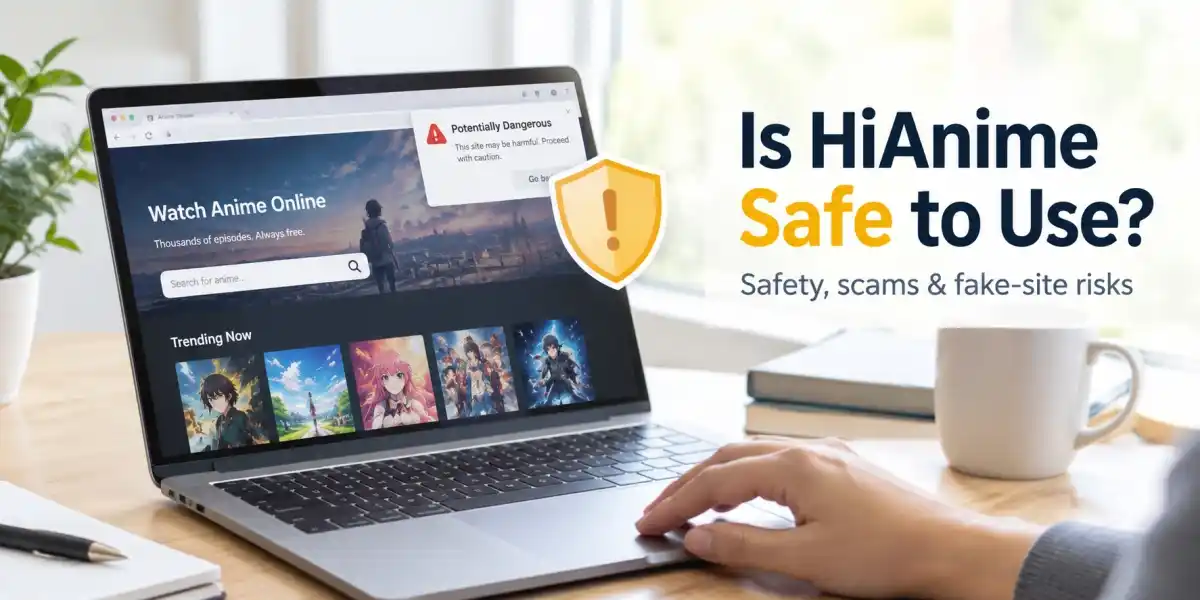

HiAnime is relatively safe from direct malware downloads if you browse using an advanced open-source ad-blocker, but the site remains an unlicenced platform that routes users through risky third-party advertising networks. The website itself does not host malicious files directly on its homepage, but the hidden pop-under windows triggered by clicking the video player can expose your hardware to tracking scripts and phishing traps.
Here is the thing. When a massive site disappears, the community panics. We saw it when the old Zoro network shifted, and it happened again when the main AniWatch systems went offline after international legal notices. Suddenly, a new name pops up with the exact same interface, and everyone wants to know if it is a trap.
Understanding the operational background of the aniwatch rebrand core is the only way to keep your personal data secure. Underground streaming networks live in a permanent gray area, and their safety status can change over the course of a single weekend. Let us break down what is actually happening behind the scenes.
The truth behind the AniWatch rebrand core
Websites that host unlicensed media catalogs operate on borrowed time. When global anti-piracy coalitions pressure domain registrars, the operators do not pack up and quit. Instead, they execute a technical migration to a fresh web address to escape active blacklists.
The launch of HiAnime was not a coincidence or a new competitor entering the market. It was a planned transition. The operators moved the complete backend architecture, user friend circles, and custom forum badges to the new domain before the old structural links collapsed entirely.
This database migration keeps the user base intact, but it creates a massive visibility problem. The core site relies on automated web scrapers to fetch streams from remote cloud lockers. Because these lockers are expensive to run, the platform pays its bills by partnering with questionable ad brokers who do not screen their landing pages for safety.
Real security risks on current clone domains
You do not need to worry about a virus instantly destroying your computer the moment you load the homepage. The danger is much more subtle and relies heavily on social engineering tricks.
Shady advertising scripts and pop-unders
When you click the play button on a new anime episode, the player script drops a hidden window underneath your active browser tab. These windows often redirect to fake technical support alerts or malicious update prompts.
For example, a common scenario involves a large message box claiming your browser is outdated, prompting you to download a file named
Update.exe or Player.msi. A legitimate video stream will never ask you to install local software to run a clip. If you see a file download trigger automatically, delete it from your storage folder immediately without opening it.The credential harvesting trap
Because copycat domains replicate the exact layout design of the original hub, bad actors love to set up phishing traps on similar URLs. They register slightly misspelled domains to capture lazy search traffic.
If you type your old username and password into an unverified mirror site, automated bots instantly capture that combination. They run scripts to test those exact same credentials on major independent platforms like Discord, PayPal, or Google. Reusing passwords on these platforms is the fastest way to lose control of your personal profiles.
How to protect your device if you visit media platforms
If you decide to browse these informational indexes, relying on your browser’s default security settings is a massive mistake. You need to harden your system configuration manually.
Deploy a dedicated open-source blocker
Do not use generic ad-blockers that accept financial payouts from advertising agencies to bypass structural filters. Install an open-source extension like uBlock Origin on your desktop or mobile browser.
This tool blocks the network requests of tracking scripts before they can execute inside your browser matrix. In our testing, running a clean block list removes roughly 95% of the unwanted pop-under triggers on media blogs, keeping your active window clean.
Turn off JavaScript sandbox execution
Most malicious tracking scripts require JavaScript to open new windows or redirect your active tab. You can install a script management extension like NoScript to block these automated actions globally.
By disabling unauthorized script execution, the site behaves like a static newspaper page. The layout remains clean, fake update boxes cannot spawn, and your system resources stay completely under your control.
Legal and 100% safe alternatives for anime fans
The constant cycle of domain tracking and script management can quickly feel exhausting. If you want a smooth viewing experience without security worries, moving your watchlist to licensed platforms is the smartest option.
You do not need a paid subscription to stay safe. Major broad networks offer massive catalogs supported entirely by standard commercial breaks.
- Tubi TV: This platform features an impressive library of classic titles like Yu-Gi-Oh! and Hunter x Hunter completely free.
- Pluto TV: Runs dedicated 24/7 animation channels alongside a deep on-demand library.
- Crunchyroll: Offers rapid premium simulcasts just one hour after the official broadcast window in Japan.
FAQ Section
Is the HiAnime platform safe from malware?
HiAnime is generally free from direct malware payloads, but the third-party ad networks it uses to generate revenue can expose your browser to dangerous redirects. Using a trusted open-source ad-blocker is required to keep your operating system safe while reading guides on the site.
What is the connection between AniWatch and HiAnime?
HiAnime serves as the direct operational continuation of the old streaming network following international domain seizures. The developers executed a backend migration to move the existing user database and layout structure over to a fresh domain string to escape blacklists.
Can a mirror clone site steal my personal account passwords?
Yes, mirror clone sites can steal your passwords if you input your old login credentials into an unverified domain variation. Cybercriminals build identical fake homepages specifically to log your username combos and exploit them on other major web platforms.
Why do anime streaming hubs change their web addresses so often?
Anime hubs change their web addresses frequently to stay ahead of civil enforcement actions and domain nullification requests from rights groups. Moving the server configuration to a new top-level country code allows the operators to keep their indexing systems active online.
Conclusion
The single most useful takeaway is that while HiAnime preserves the legacy of the old database, the site relies on high-risk advertising streams that require users to run strict ad-blocking extensions to maintain basic hardware safety.